
After his wife’s death, 81-year-old Robert stopped living. Discover how personalized companion care brought him back from dangerous isolation.
When the House Went Silent
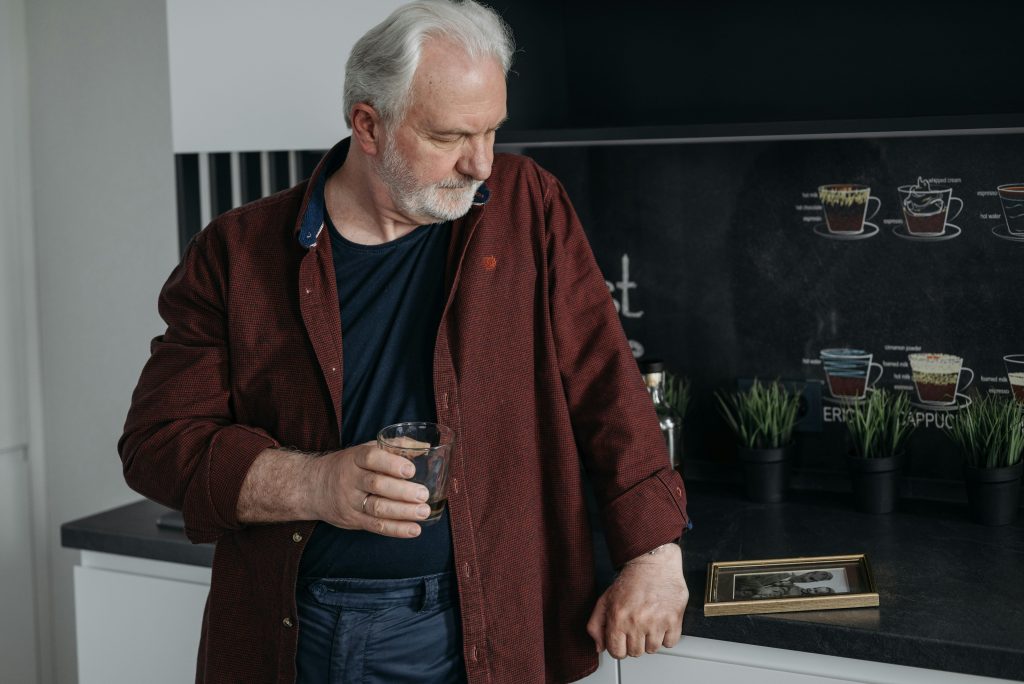
For 58 years, Robert’s kitchen was the center of his world. Every morning started the same way; coffee with his wife Dorothy at 6 a.m. sharp. Sundays meant family gathered around the table, her famous pot roast in the oven and his “world’s best” apple pie cooling on the counter.
Then Dorothy died. And the kitchen, just like Robert, fell completely silent.
The Wake-Up Call
Six months after Dorothy’s funeral, Robert’s daughter Kelly stopped by unannounced. What she found terrified her.
The house was dark at 2 PM. Unopened mail everywhere. Only expired milk in the fridge. And Robert – her strong, firefighter father – sitting in the same clothes for three days, staring at nothing.
“Dad, when did you last eat?”
A shrug. “Not hungry.”
“Your heart medication?”
“Maybe yesterday. Don’t remember.”
Kelly found missed doctor appointments, 47 unanswered calls, and a father who’d simply given up.
“He wasn’t living,” Kelly says. “Just existing. Waiting to die so he could be with Mom.”
The Danger of Senior Loneliness
Robert’s story isn’t unique. Senior isolation kills:
- Increases mortality risk by 50%—equivalent to smoking 15 cigarettes daily
- Raises dementia risk by 64%
- Leads to medication errors, malnutrition, preventable decline
- 28% of seniors live alone; many go days without human contact
After losing a spouse, many seniors, especially men, lose their motivation to live. The person who was their social coordinator, their reason to get up, is gone.
Kelly knew weekly visits weren’t enough. Robert needed daily support. But he refused assisted living.
“This is my home,” he said firmly, the most emotion he’d shown in months. “I’m not leaving.”
That’s when Kelly found Babette Home Care and their companion care services.
Meeting Tom: More Than Just a Caregiver
Tom arrived on a Monday morning. A semi-retired chef who’d lost his own wife four years earlier, Tom had found purpose in helping isolated seniors rediscover life.
Robert barely looked up. “Don’t need a babysitter.”
Tom smiled, glancing around the kitchen. “Your daughter says you make the world’s best apple pie. That true?”
Despite himself, Robert looked up. “Used to. Dorothy always said so.”
“Used to? You forget how?”
“No, I just don’t…”
“Great. Let’s make one. I brought ingredients. I’m a chef but never mastered apple pie. Figure a firefighter who made pies for 58 years can teach me.”
An hour later, the house smelled like cinnamon and apples for the first time in six months. And Robert, covered in flour, arguing about nutmeg, was engaged in life again.
The Companion Care That Changed Everything
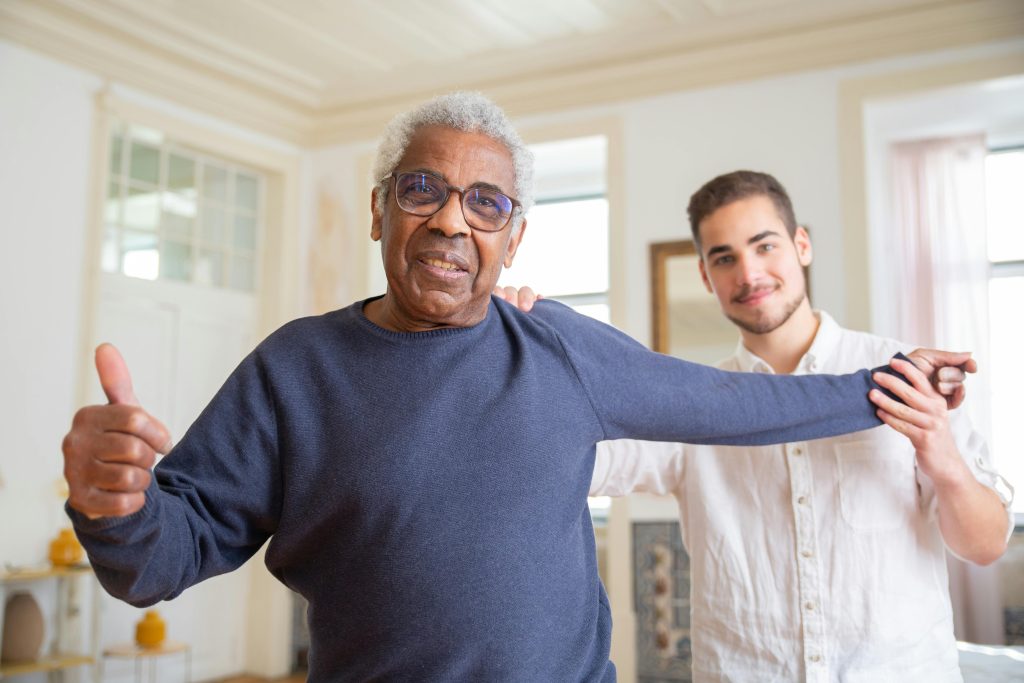
Tom’s approach wasn’t about medical tasks, It was about rekindling Robert’s will to live:
Daily Structure
Every morning at 9 AM, Tom arrived with coffee from Robert’s favorite diner. They’d sit at the kitchen table and plan the day.
“What do you want to do today, Robert?”
At first, shrugs. Then slowly, Robert started having opinions again. Making choices. Engaging.
Meaningful Activities
- Cooking projects – Weekly recipes, then sharing meals with family and neighbors
- Home repairs – Tom asking for “help” with projects, rebuilding Robert’s confidence
- Memory preservation – Digitizing photos, sharing stories about Dorothy
- Social reconnection – Coffee with firefighter friends, church, woodworking class
Tom came along as support until Robert felt confident going alone.
Subtle Medical Support
While being a companion first, Tom also:
- Organized medications and ensured Robert took them
- Scheduled and drove to appointments
- Encouraged proper nutrition
- Kept the house safe and clean
“Tom never made it feel like caregiving,” Robert says. “It felt like friendship. But he was keeping me healthy.”
The Turning Point: Thanksgiving
Seven months in, Robert called Kelly with a surprise.
“I want to do Thanksgiving at the house. Like we always did.”
Kelly hesitated. “Dad, that might be really hard.”
“It will be. But Tom helped me understand, Dorothy would hate seeing me waste my life. She’d want this house full of love again. She’d want me to keep living.”
“So let’s do Thanksgiving. Your pot roast and my apple pie.”
On Thanksgiving, Robert’s kitchen was alive again. Family, food, Dorothy’s good china on the table.
Before dinner, Robert raised his glass: “Dorothy should be here. She’ll always be missing. But Tom helped me understand she’s not really gone. She’s in every recipe, every tradition, every memory.”
“She’d be disappointed I skipped almost a year of gatherings because I was too sad. So this year and every year forward, we gather. For her. And for us.”
Tom, sitting at the table’s edge, simply smiled. This was why he did companion care.
Robert Today
Two years later, Robert is thriving.
He cooks Sunday dinner for his family twice a month, goes to woodworking class and church, volunteers at the fire station, takes his medications correctly, and has even started dating a widow from his church.
“I still miss Dorothy every day,” he says. “But I’m living again. Really living.”
Tom still visits twice a week, now as a true friend. They cook together, work on projects, and talk about life. “Tom didn’t just save my life,” Robert says. “He reminded me it was still worth living.”
Why Companion Care Works
Robert’s story shows how personalized companion care addresses senior isolation:
Addresses Root Cause – Not just physical safety, but emotional well-being and purpose
Builds Genuine Relationship – Authentic friendship provides motivation to re-engage with life
Provides Daily Support – Consistent connection breaks patterns of isolation and depression
Honors Individual History – Activities built around specific interests and personality
Gradual Community Reintegration – Bridge helping seniors reconnect to their social world
Prevents Medical Crises – Proper nutrition, medications, and appointments prevent decline
Warning Signs of Dangerous Isolation
Kelly wishes she’d noticed the signs sooner. These include declining hygiene, missed appointments or medications, unanswered phone calls, little or no food in the house, increasing clutter, loss of interest in hobbies, and expressing hopelessness.
“I didn’t realize senior loneliness could be a medical emergency,” she says.
What Made Babette Home Care Different
Personality Matching – Tom was chosen specifically for shared loss experience and ability to connect authentically
Quality of Life Focus – Emphasized helping Robert find joy again, not just preventing falls
Flexible Approach – Freedom to adapt daily based on Robert’s needs and mood
Relationship Continuity – Same person daily allowed genuine friendship to develop
Grief Expertise – Understanding that healing isn’t linear and some days are harder
Could Companion Care Help Your Loved One?
You might notice signs such as living alone after a spouse’s death, withdrawing from social activities, letting self-care slip, missing medications, feeling lonely or hopeless, rarely leaving the house, or abandoning hobbies.
Companion care can offer daily human connection, meaningful activities, help reconnecting to the community, practical support that preserves independence, and protection from the decline that isolation can cause.
Start Your Family’s Story of Hope
Babette Home Care pairs seniors with compassionate companions who bring friendship, purpose, and renewed joy.
Free Consultation:
📞 (617) 326 – 1500
📧 [email protected]
🌐 www.babettehomecare.com
“Tom didn’t just visit my house—he brought life back into it.” — Robert